
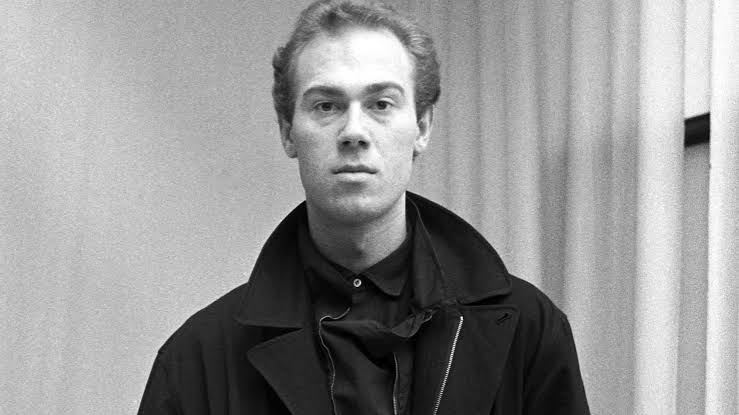
If fashion has a ghost, his name is Martin Margiela. The Belgian designer graduated from the Royal Academy of Fine Arts in Antwerp and started his own brand in 1988. He completely broke the rules of the flashy, glamorous 1980s. Margiela did something unheard of: he refused to be photographed, never walked out to bow at the end of his runway shows, and answered all interviews using a collective fax machine under the name « we. » By becoming invisible, he forced the world to look only at his clothes.
The Message: The Beauty of Giving Clothes a Second Life
Margiela’s art is a protest against perfect, expensive fashion and modern waste. He became the master of deconstruction—the art of ripping clothes apart to show how they are made on the inside.
His message was simple: he wanted us to see the beauty in things that are old, broken, or forgotten. For his special collections, he went to flea markets and recycled everyday objects. He turned broken porcelain plates into vests, old car seatbelts into gowns, and vintage theatrical costumes into modern jackets. He proved that true luxury is not about showing off wealth; it is about memory, creativity, and the hard work of human hands.
The Psychology of Color: Paint Splatters as the Soul of Craft
While Margiela is famously known for using the color white to show the passage of time, his most iconic relationship with color comes through his famous pait splatter pieces. He would take clean, minimalist clothing and shoes—most notably his Replica sneakers—and hand-splatter them with droplets of vibrant, mismatched paint.
hese paint splatters are never just decorative; they carry a profound meaning. In a world of uniform, factory-made clothing, the splatters represent the chaotic, messy reality of an artist at work. They look like a beautiful accident, mimicking the stains left on a painter’s clothes in a studio. Because each splash of color lands differently, no two pieces are ever identical. For Margiela, these colors represent radical individuality. By adding a human, unpolished touch to luxury items, he celebrates the « imperfection » of actual manual labor, ensuring that every garment carries the unique soul of a one-of-a-kind art piece.
What Makes Him Completely Different
While other designers created out-of-reach fantasies, Margiela focused on reality. His most famous creation is the Tabi boot, which was inspired by traditional Japanese split-toe socks. By separating the big toe, he completely changed the shape of the human foot, creating a famous shoe that people still obsess over today. He also left seams exposed, left edges raw and fraying, and turned clothes completely inside out to proudly show off the shoulder pads and internal linings.
A Quiet Community Locked in Four Stitches
Margiela’s greatest success is how his philosophy brings people together. Inside his studio, every single employee—from the interns to the top managers—wears the exact same white lab coat. This erased any corporate hierarchy, making everyone feel like an equal part of a team.
This sense of unity reached his customers too. Instead of a loud luxury logo, Margiela marked his clothes with a completely blank white tag, sewn onto the garment with four visible white stitches on the back. Originally, these stitches were meant to be cut off so the clothes would stay anonymous. Instead, they became a secret handshake. It created a quiet, global community of people who do not need a giant logo to recognize each other—just a shared love for art, mystery, and the soul of clothing.
Image Source: the Graduate Store